
Plant-Based Leather Handbags: A Practical Guide to Materials, Quality and Care
Plant-based leather handbags are moving beyond a niche category. Today, shoppers can find bags made with cactus-based, apple-based, mushroom-based and other lower-animal-input materials. But the phrase plant-based leather does not describe one single material or one universal performance level.

For anyone shopping for a premium vegan handbag, the useful questions are simple: What is the material? How is the bag constructed? How should it be cared for? And what evidence supports the product claims?
What is plant-based leather?
Plant-based leather is a broad term used for materials that incorporate plant-derived or bio-based inputs and are developed to provide a leather-like surface for products such as handbags, wallets and accessories. Cactus, apple, grape, pineapple and other plant sources have all been explored in alternative-material development.
The important distinction is that plant-based does not automatically mean 100% plant-derived. Some commercial materials combine plant-based content with other binders, coatings, backing fabrics or synthetic components. A responsible product description should therefore explain the material rather than relying only on a broad label.
Why cactus-based material is interesting for handbags
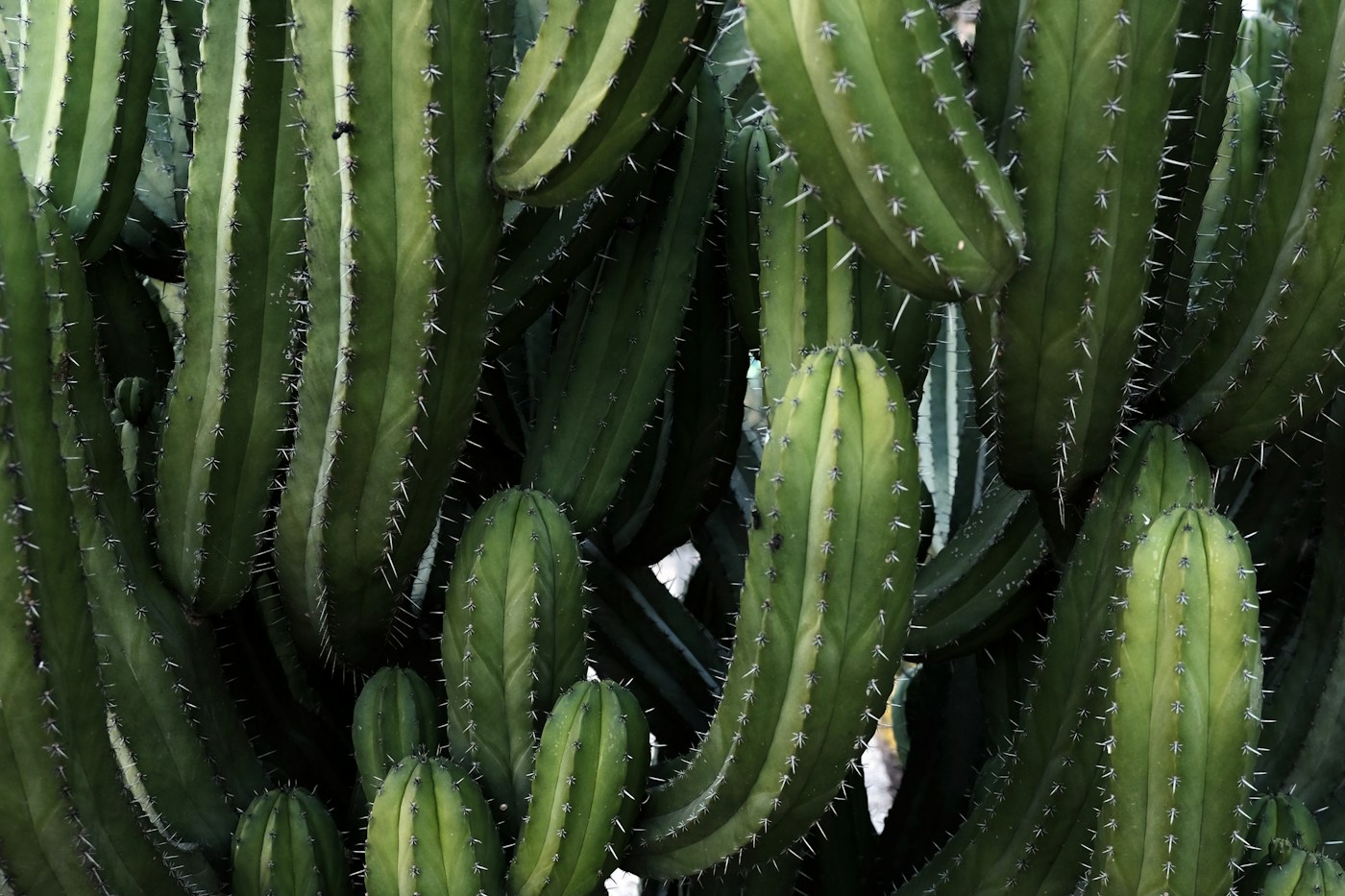
Cactus-based materials are particularly interesting because cactus is a hardy plant that can grow in relatively dry environments. In material development, harvested plant matter can be processed into a leather-like material and then engineered for fashion applications.
For a handbag brand, the material is only one part of the equation. The final result also depends on the backing, thickness, surface finish, stitching, reinforcement, hardware, lining and pattern construction.
5 things to check before buying a plant-based leather handbag
1. Ask what the material actually contains
Look for a clear material description rather than a vague sustainability claim. A good product page should identify the primary material and explain whether the construction includes coatings, textile backing or other components.
2. Look closely at construction
Check stitch consistency, edge finishing, handle attachment, zipper operation and the way stress points are reinforced. Premium appearance comes from the whole construction, not simply the material name.
3. Understand expected durability
Durability varies between materials and constructions. Ask how the surface responds to regular handling, moisture, friction and storage. A brand that explains care and expected use is giving you more useful information than a generic claim that a material is simply “durable.”
4. Check the care instructions
Plant-based and vegan leather materials should generally be protected from prolonged moisture, excessive heat, harsh chemicals and unnecessary abrasion. Follow the specific care instructions supplied with the bag because coatings and finishes can differ significantly.
5. Consider the entire product, not only the material
A handbag has a life beyond its outer material. Lining, hardware, thread, adhesives, packaging and manufacturing practices all contribute to the finished product. When comparing brands, look at the complete product story.
Plant-based leather vs traditional synthetic vegan leather
Traditional synthetic vegan leather commonly uses polymer-based materials such as PU or PVC. Plant-based leather is different because it incorporates plant-derived inputs into the material system. However, the exact composition varies by manufacturer, so two products marketed as plant-based can have different material profiles and performance characteristics.
That is why the most useful comparison is not simply “plant-based versus synthetic.” Instead, compare material composition, construction, surface finish, expected use, care requirements and product longevity.
How to care for a plant-based leather handbag
- Wipe surface dirt gently with a soft, slightly damp cloth when the manufacturer’s instructions allow it.
- Avoid soaking the bag or leaving it in prolonged direct sunlight or high heat.
- Do not use household solvents, bleach or abrasive cleaners unless the manufacturer specifically recommends them.
- Store the bag upright or supported so it keeps its shape.
- Keep it in a breathable dust bag and avoid compressing it for long periods.
Further reading on ANOVYA
For more detail, read our guides on cactus leather durability, cactus leather care, and how cactus leather is made.
FAQ: Plant-based leather handbags
Is plant-based leather the same as vegan leather?
Not exactly. Vegan leather describes a leather alternative made without animal leather, while plant-based leather describes a material that incorporates plant-derived content. A plant-based material can be vegan, but the terms describe different aspects of the material.
Is cactus leather suitable for handbags?
Yes, cactus-based materials are being developed and used for fashion applications including handbags and accessories. Suitability depends on the specific material formulation and the construction of the finished product.
How long does a plant-based leather handbag last?
There is no single lifespan for every plant-based leather bag. Material formulation, coating, construction, frequency of use, exposure to moisture and heat, and care habits all affect longevity.
What should I look for in a premium vegan handbag?
Look at the material specification, stitching, edge finishing, hardware, lining, reinforcement at handles and straps, zipper quality, shape retention, care guidance and the transparency of the brand’s product information.
The ANOVYA approach
At ANOVYA, our focus is on fashion accessories that combine contemporary design with plant-based material innovation. Our cactus-based vegan leather handbags are designed around the idea that a more considered material choice should still feel refined, functional and fashion-forward.
Explore the collection: shop ANOVYA cactus leather handbags and see the styles currently available online.
If you are comparing plant-based handbags, start with the material story—but finish your decision by looking at the craftsmanship, construction and care requirements of the actual bag you plan to carry.