
Plant-Based Vegan Leather vs Traditional Leather: Understanding the Difference
As more people look closely at the materials behind the products they carry, one question comes up often: how is plant-based vegan leather different from traditional leather? Both can be used to create stylish handbags and accessories, but they begin with different raw materials and can have different manufacturing processes, care needs and environmental considerations.
Understanding those differences makes it easier to choose a handbag, card holder or everyday accessory that fits your values and your lifestyle. This guide explains the essentials without assuming that one material is automatically better in every situation.
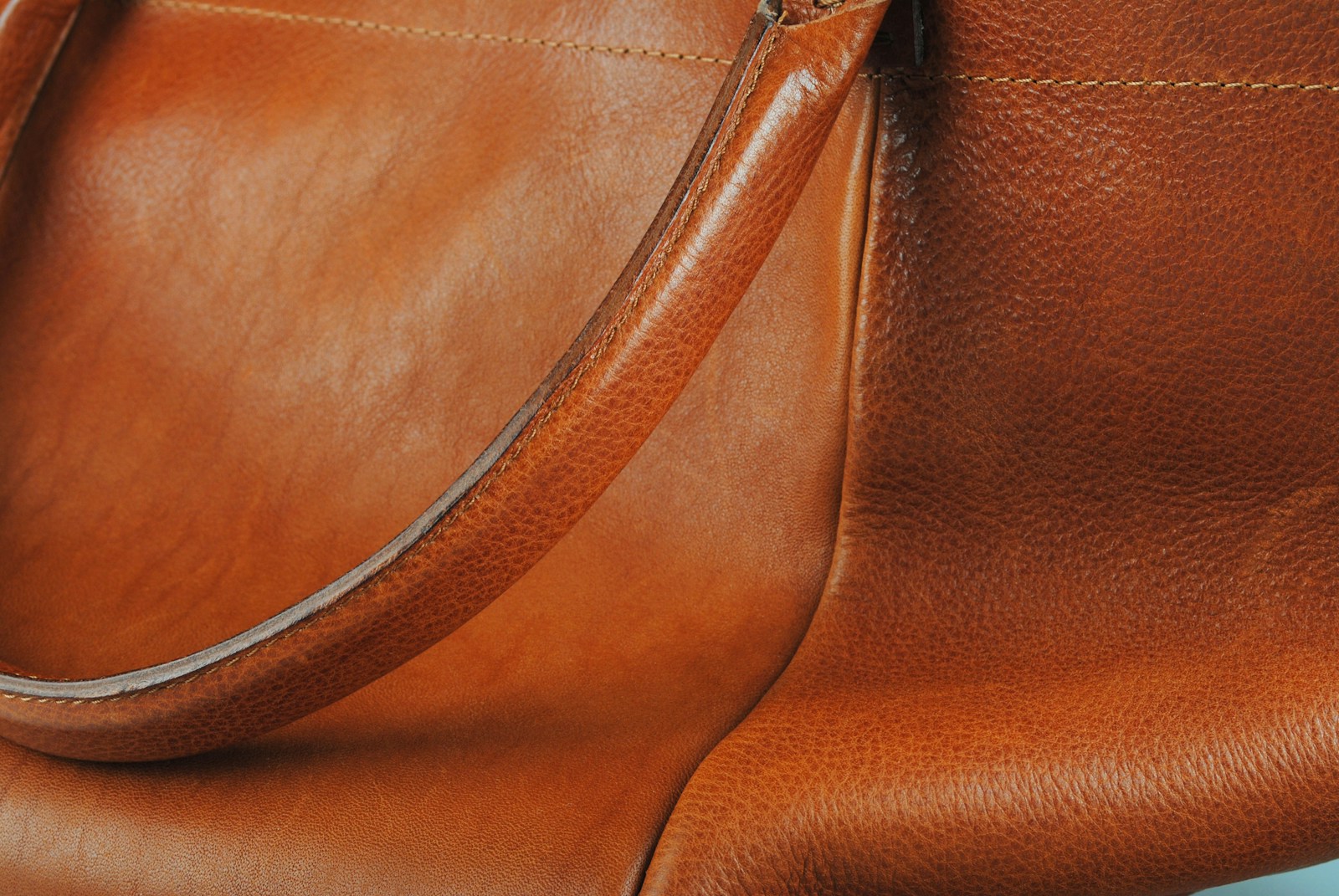
What Is Traditional Leather?
Traditional leather is made from animal hide. The hide is processed through tanning and finishing stages to make it suitable for products such as footwear, belts, wallets and handbags. The final characteristics depend on the animal hide, tanning method, finishing treatments and quality of craftsmanship.
Traditional leather is valued for its familiar feel, flexibility and ability to develop a distinctive appearance with use. However, its production is connected to animal-derived raw materials and can involve significant water, chemical and waste-management considerations. The actual impact varies widely by supply chain and processing method.
What Is Plant-Based Vegan Leather?
Plant-based vegan leather is a broad term for leather alternatives that use plant-derived materials as part of their composition and do not use animal hide. Depending on the technology, plant-based inputs may come from different renewable or agricultural sources. These inputs are processed and combined with other materials to create a flexible sheet or textile suitable for fashion products.
It is important to understand that plant-based does not always mean 100% plant-derived. Some materials combine plant-based content with polymers, coatings, backing fabrics or binders to achieve the required strength, texture and performance. The exact composition differs from one material to another, so transparent product information matters.
Plant-based vegan leather is used in a growing range of products, including handbags, card holders, wallets, belts and other accessories. It offers designers another way to explore texture, colour and form without using animal hide.
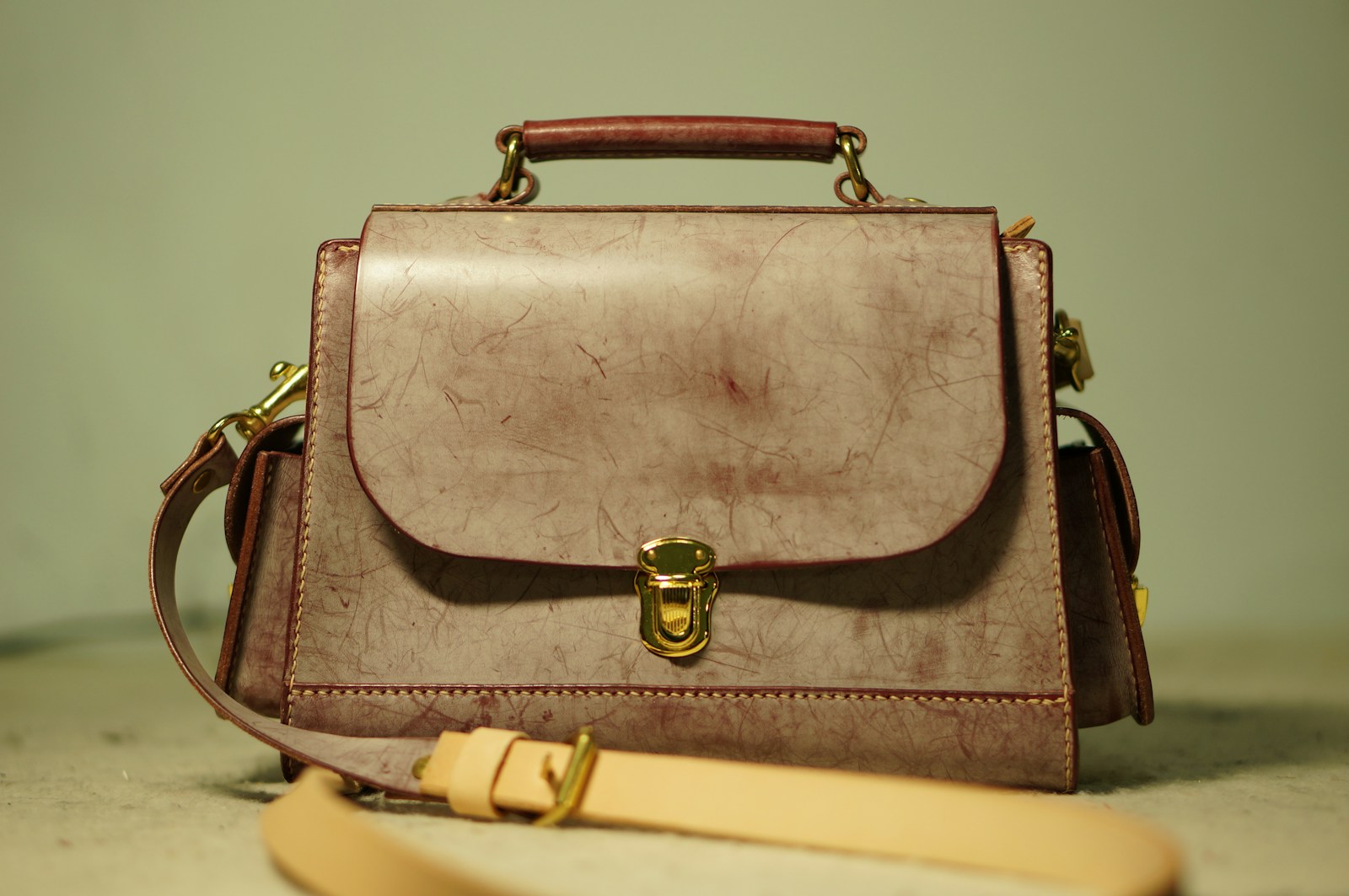
Plant-Based Vegan Leather vs Traditional Leather: Key Differences
1. Raw materials
The most direct difference is the starting material. Traditional leather is made from animal hide. Plant-based vegan leather uses plant-derived inputs and other components, depending on the specific material technology. If material origin is important to you, look for clear information about the plant content and any additional coatings or backing layers.
2. Manufacturing process
Traditional leather generally goes through hide preparation, tanning, dyeing and finishing. Plant-based alternatives follow processes that vary according to the source material and formulation. Neither label alone tells the full environmental story: energy use, water use, chemicals, sourcing and waste treatment all matter.
3. Look, feel and design
Both material groups can be made in a variety of colours, grains, textures and finishes. Traditional leather often has natural variations, while plant-based alternatives can offer consistent finishes and creative surface possibilities. The feel and appearance of a plant-based material depend on its formulation and finishing, so checking the actual product is more useful than relying on a category name.
4. Durability and everyday performance
Durability is not identical across all traditional leathers or all plant-based alternatives. It depends on material quality, thickness, construction, stitching, edge finishing, hardware and how the accessory is used. A well-designed product should be assessed as a whole—not by material label alone.
When choosing an accessory, look at the seams, handles, straps, lining, closures and stress points. These details influence how well a handbag or card holder performs during everyday use.
5. Care and maintenance
Care instructions can vary. Traditional leather may need conditioning and protection suited to its finish. Plant-based vegan leather commonly benefits from gentle surface cleaning, avoiding harsh solvents and keeping the item away from prolonged heat or moisture. Always follow the care guidance supplied with the specific product, and test any cleaner on a discreet area first.
6. Animal-derived materials
Traditional leather is made from animal hide. Vegan leather is designed without animal hide. For shoppers who want to avoid animal-derived materials in fashion accessories, vegan alternatives provide another option. If you follow a strict vegan lifestyle, also check details such as adhesives, coatings and other product components where that information is available.
7. Environmental considerations
It is tempting to assume that every plant-based alternative has a lower environmental impact, but the answer depends on the complete product life cycle. Consider where the raw materials come from, how they are processed, what coatings or backing materials are used, how long the product lasts, and what happens when it is no longer usable.
Traditional leather and plant-based alternatives both have impacts that vary by supplier and production method. Reliable comparisons require transparent, product-specific information and independently supported evidence. A material being plant-based does not automatically make it biodegradable, compostable or impact-free.
How to Choose the Right Material for Your Accessories
The right choice depends on what matters most to you. Before buying a handbag, wallet or card holder, consider these practical questions:
- Material transparency: Does the brand explain what the material is made from?
- Construction: Are the stitching, edges, lining, handles and hardware finished carefully?
- Everyday use: Does the size, structure and compartment layout suit what you carry?
- Care instructions: Are cleaning and storage guidelines clearly provided?
- Product longevity: Is the accessory designed to be used and cared for over time?
- Brand accountability: Are sustainability claims specific, understandable and supported by evidence?
Where Plant-Based Vegan Leather Fits in Modern Fashion
Material innovation is giving designers more ways to create accessories that reflect changing consumer preferences. Plant-based vegan leather can be used across structured handbags, everyday totes, compact card holders and functional wallets. Its versatility allows brands to experiment with silhouettes, textures and colours while offering an alternative to animal-hide leather.
At ANOVYA, we focus on fashion accessories made using plant-based vegan leather. Our collection includes handbags and everyday essentials designed around considered style, practical details and contemporary use. We believe that understanding materials is an important part of making a thoughtful purchase.
Frequently Asked Questions
Is plant-based vegan leather real leather?
It is a leather alternative, not animal-hide leather. The term describes materials designed to provide a leather-like look or function while using plant-derived inputs as part of their composition.
Is all vegan leather plant-based?
No. Vegan leather means the material is made without animal hide, but vegan alternatives can be made from different synthetic or plant-derived materials. Check the product’s material description to understand its composition.
Is plant-based vegan leather always biodegradable?
No. Biodegradability depends on the complete material composition, including coatings, binders and backing layers, as well as the conditions in which it is disposed of. Do not assume a product is biodegradable unless that claim is supported by reliable evidence.
Does plant-based vegan leather last as long as traditional leather?
There is no single answer for every material. Longevity depends on the quality of the material, product construction, usage and care. Compare the specific product rather than relying only on the broad material category.
How should I clean a plant-based vegan leather handbag?
Start with a soft, slightly damp cloth and gentle cleaning. Avoid abrasive tools, harsh chemicals and prolonged exposure to heat or moisture. Follow the care instructions provided for your particular handbag.
Final Thoughts
Plant-based vegan leather and traditional leather differ first in their raw materials, but the comparison goes beyond that. Manufacturing, composition, durability, care and end-of-life considerations all play a role. The most informed choice comes from understanding the specific material and the quality of the finished accessory.
If you are exploring alternatives to animal-hide leather, plant-based vegan leather offers an expanding range of possibilities for handbags and everyday accessories. Look for transparent material information, thoughtful construction and products designed to suit the way you live.